
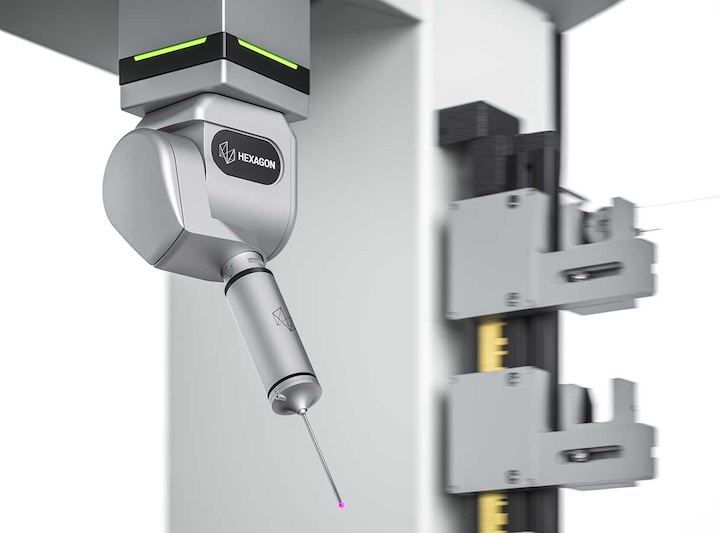
CMM performance issues are most often attributed to equipment after installation. In practice, the root cause is usually earlier in the buying process.
CMM installations that encounter issues after delivery often share the same underlying problems: incomplete requirements, misaligned internal stakeholders, and evaluation steps that occur too late or in the wrong order. Understanding the buyer’s journey helps teams address these gaps before a system is selected.
Capital Equipment Purchases Are Multi-Stakeholder Decisions
Equipment investments involve several functions with different priorities:
- Quality focuses on measurement capability, repeatability, and reporting
- Engineering focuses on part geometry, tolerances, and inspection strategy
- Operations focus on throughput, uptime, and disruption
- Management focuses on risk, cost justification, and long-term value
When these inputs are not aligned early, decisions are delayed or implemented with gaps that surface later.
The Buyer Journey Starts with a Process Problem
Organizations rarely initiate a CMM purchase because they want new equipment. The process typically begins when inspection can no longer support production or quality requirements.
Common triggers include:
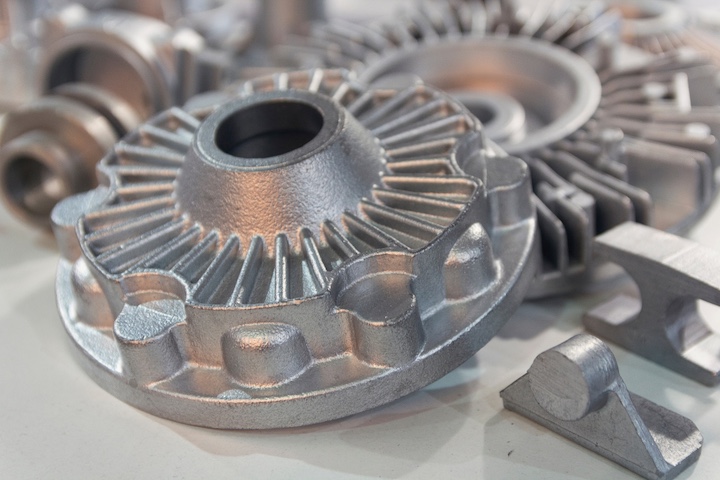
Example of Complex Metal Part
- Increased inspection backlog
- New or tighter customer requirements
- Higher part complexity
- Capacity constraints in existing inspection processes
At this stage, the priority is identifying process limitations, not selecting a machine.
Early Demos Create Incomplete Evaluations
Demos are often scheduled before requirements are fully defined.
When this happens:
- Equipment capability is evaluated without full context
- Workflow and part mix are underrepresented
- Environmental and staffing constraints are overlooked
A demo under these conditions confirms that a system can measure parts but does not confirm that it will perform effectively in the intended production environment.
Assumptions Introduced During Evaluation Drive Post-Install Issues
As evaluations progress, assumptions are often made to keep the process moving.
Typical examples include:
- The current part mix will remain stable
- Throughput demands will not increase
- Environmental conditions are acceptable
- Inspection is not a primary production constraint
These assumptions frequently remain untested until after installation, where corrective actions become more complex and costly.
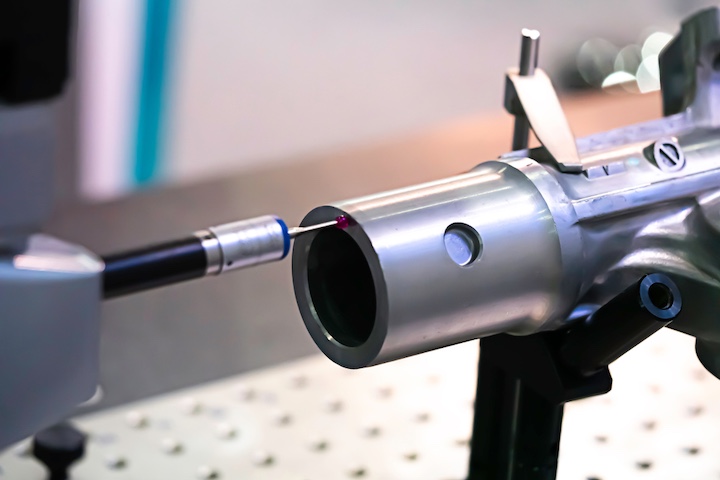
Part Inspection by CMM
Contract Measurement Services Reduce Evaluation Risk
Contract measurement services provide a structured way to validate inspection requirements before capital investment.
Using production parts and production-relevant workflows allows organizations to:
- Confirm inspection strategies and fixturing approaches
- Evaluate cycle time and throughput impact
- Review data output, reporting, and downstream use
- Identify constraints that may not be apparent during demos
This stage replaces assumptions with measurable data.
Services Improve Equipment Selection Outcomes
When services are used during the evaluation phase:
- Requirements are better defined
- Stakeholder alignment improves
- Equipment configuration is more accurate
- Demos become validation steps rather than discovery exercises
The result is a more efficient decision process with fewer post-install corrections.
The Purchase Decision Becomes Lower Risk
By the time an organization is ready to invest in a CMM, the decision is based on validated requirements rather than theoretical capability.
This reduces:
- Configuration changes after delivery
- Workflow disruptions
- Performance shortfalls relative to expectations
The equipment is selected to support an established process rather than forcing a process to adapt to equipment.
CMM success depends as much on the decision process as on the equipment itself.
Organizations that follow this journey sequence, validate assumptions early, and use services to reduce risk are more likely to achieve predictable performance and long-term value from their investment.
If your 2026 purchase planning is underway, Exact Metrology can help you select a CMM system fit for your workflow processes.
For more information or to schedule a site visit, contact us today.